

Memento Mori.
Why Christians Should Remember Their Death.

Introduction
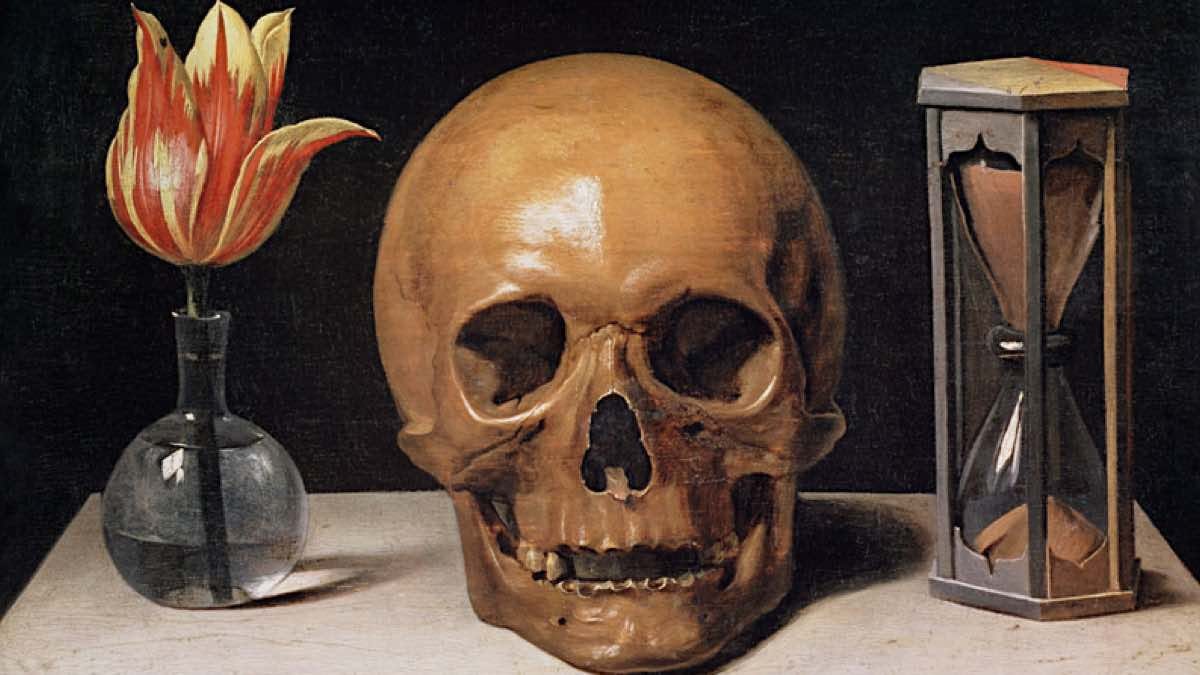
In an age obsessed with youth, productivity, and self-actualization, few Christian practices feel more foreign than memento mori. The Latin phrase translates simply: “Remember that you must die.” At first glance, it sounds gloomy, even morbid. Yet for nearly two thousand years, Christians viewed the remembrance of death not as a source of despair but as a pathway to wisdom, holiness, humility, and hope.
The early Church understood something that modern society often forgets: we live differently when we remember that our lives are finite. To meditate on death is not to become preoccupied with dying. Rather, it is to become more attentive to living. The practice of memento mori helps Christians see themselves rightly before God, order their loves properly, and fix their hope on the resurrection of Jesus Christ.
Today, many evangelical Christians affirm the reality of heaven, resurrection, and eternal life, yet rarely engage in intentional reflection on mortality. In doing so, we may be neglecting a spiritual discipline that shaped generations of faithful believers and remains deeply relevant for Christian discipleship today.
The Biblical Foundation of Memento Mori
The practice of remembering death is rooted in Scripture itself.
The psalmist prays:
“Teach us to number our days that we may get a heart of wisdom.”
—Psalm 90:12
Notice that Moses does not ask God to help him ignore death. He asks God to teach him to count his days. Wisdom emerges not from pretending life is endless but from recognizing its limits.
Scripture repeatedly reminds us of the brevity of life:
“You are a mist that appears for a little time and then vanishes.”
—James 4:14
“All flesh is grass, and all its beauty is like the flower of the field.”
—Isaiah 40:6
“What is man that you are mindful of him?”
—Psalm 8:4
These passages are not intended to diminish human value. Rather, they place humanity in proper perspective before an eternal God. The Bible presents mortality as a teacher. Death reminds us that we are creatures, not creators; dependent, not autonomous; temporary, not eternal.
Yet Christianity never stops with mortality. The same Scriptures that remind us of death proclaim resurrection:
“I am the resurrection and the life. Whoever believes in me, though he die, yet shall he live.”
—John 11:25
Memento mori is therefore not a meditation on death alone. It is a meditation on death in light of Christ.
The Early Church and the Practice of Remembering Death
The earliest Christians lived with a profound awareness of mortality. Many believers in the first centuries faced persecution, imprisonment, exile, and martyrdom. Death was not a distant possibility but a daily reality. Consequently, Christians developed spiritual habits that helped them prepare for a faithful death and, more importantly, a faithful life. The Church Fathers frequently encouraged believers to remember the brevity of earthly existence.
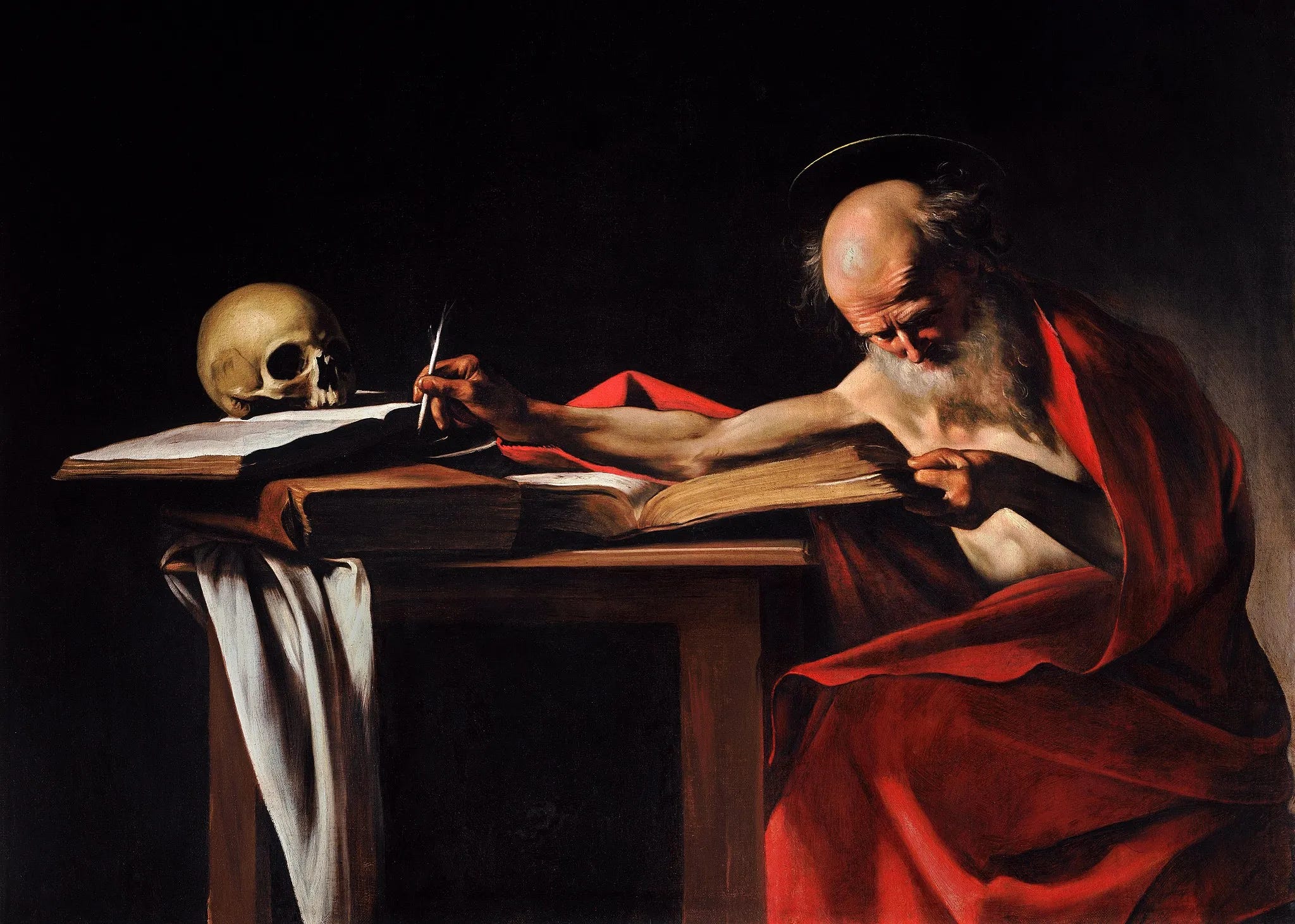
John Chrysostom taught that reflecting on death helped Christians live with greater seriousness and devotion. He believed that remembering life’s end produced spiritual clarity and reduced attachment to worldly distractions.
Augustine of Hippo repeatedly reminded Christians that earthly life is a pilgrimage rather than a permanent home. In his vision, believers are citizens of God’s eternal kingdom who must avoid becoming overly attached to temporary achievements and possessions.
Basil the Great encouraged Christians to live each day as though it could be their last—not out of fear but out of gratitude and readiness before God.
The desert fathers carried this conviction even further. Retreating into the wilderness to seek God, they frequently reflected on mortality as a means of cultivating humility and dependence. For them, remembering death stripped away illusions and focused the heart on what truly mattered.
Far from producing anxiety, these practices often produced remarkable peace.
Memento Mori Throughout Christian History
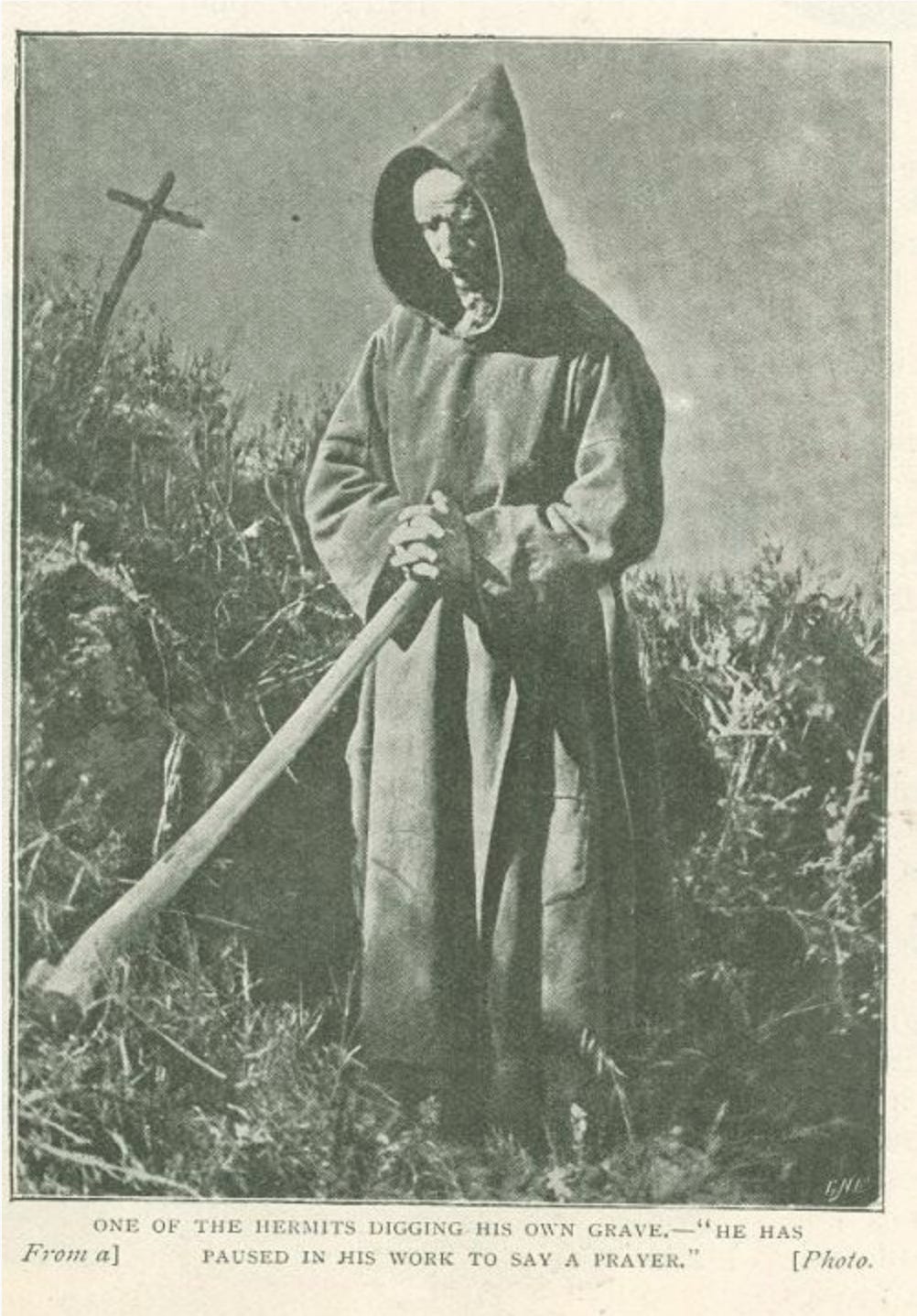
As Christianity spread throughout the world, the practice of remembering death remained central to Christian spirituality. Monastic communities incorporated death remembrance into their daily routines. The Rule of St. Benedict famously instructed monks to “keep death daily before one’s eyes.” In fact, when a monk entered a monastery they dug their own grave (a shovels length deep) as a constant remainder of their death.
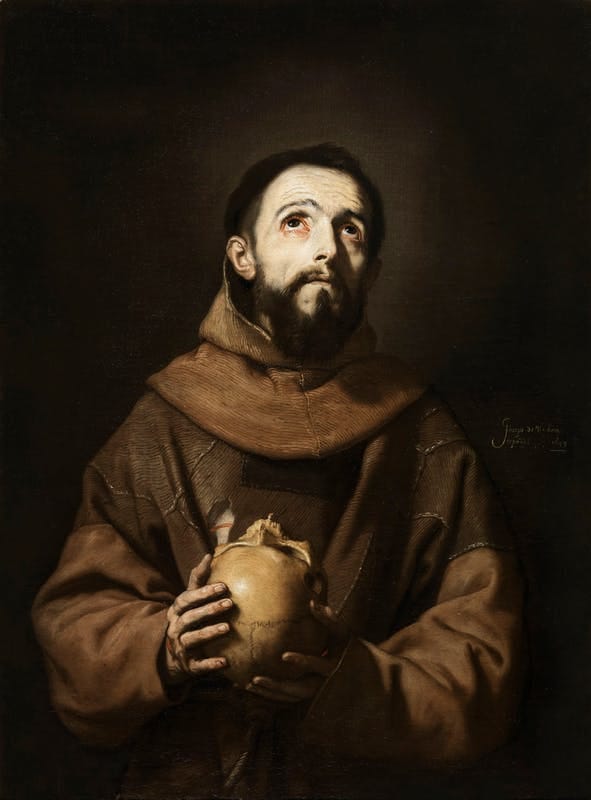
Medieval Christians created artwork depicting skulls, hourglasses, extinguished candles, and wilting flowers. These symbols were not intended to frighten people. They served as visual reminders that earthly life is temporary and that eternity matters.
Church graveyards were often built adjacent to sanctuaries, ensuring that worshipers literally walked past reminders of mortality as they entered worship. Funeral rites, prayers for the dying, and liturgical observances reinforced the truth that death was not something to be hidden away but something to be faced honestly through faith.
For centuries, Christians understood that a healthy awareness of death strengthened rather than weakened spiritual vitality.
Why Evangelicals Should Recover Memento Mori
Many evangelicals today have inherited strong convictions about salvation, heaven, and eternal life. Yet the practical discipline of remembering death has largely faded from evangelical spirituality.
Several cultural forces have contributed to this loss.
Modern medicine has moved death away from everyday visibility. Consumer culture encourages us to pursue comfort and avoid discomfort. Social media trains us to project success, youthfulness, and achievement. As a result, many Christians spend little time reflecting on their mortality. Yet recovering memento mori may be precisely what evangelical discipleship needs.
It Cultivates Humility
Remembering death confronts the illusion of self-sufficiency. No amount of success, wealth, influence, education, or accomplishment can prevent our eventual death. This realization places us in our proper relationship to God and others. Humility grows when we recognize both our significance and our limits.
It Clarifies Priorities
When viewed through the lens of mortality, many urgent concerns suddenly appear less important. Arguments lose some of their intensity. Career ambitions find their proper place. Material possessions become tools rather than treasures. Remembering death helps Christians distinguish between what is temporary and what is eternal.
It Strengthens Christian Hope
Ironically, Christians who avoid thinking about death often struggle more when confronted by it. Memento mori prepares believers to face mortality with confidence rooted in Christ’s victory over the grave. The goal is not fear but hope. Christians remember death because Christ conquered it.
It Encourages Faithful Living
People often ask how they would like to be remembered after they die. A better question may be: How should I live today in light of that reality?
Remembering death motivates believers to pursue reconciliation, practice forgiveness, share the gospel, serve others, and invest in what truly matters. As the saying often attributed to the Christian tradition goes:
Remember that you will die. Therefore, remember how to live.
The Gift of Mortality
The modern world views death primarily as a problem to be solved. Prominent figures in the longevity movement have committed substantial personal and financial resources to advancing anti-aging research and human lifespan extension. Bryan Johnson, one of the most visible advocates, spends approximately $2 million annually on his Project Blueprint, employing a team of 30 doctors to monitor and optimize hundreds of biomarkers in pursuit of slowing biological aging. OpenAI CEO Sam Altman has invested $180 million into Retro Biosciences, a company focused on cellular rejuvenation with the goal of extending healthy human lifespan by a decade. Peter Thiel, a longstanding supporter of life-extension science, has funded firms such as Unity Biotechnology and has personally opted for cryonic preservation through the Alcor Life Extension Foundation. Oracle founder Larry Ellison has contributed hundreds of millions of dollars to biomedical and anti-aging research, including through the Ellison Medical Foundation. Meanwhile, Jeff Bezos has backed Altos Labs, a well-funded biotech initiative exploring cellular reprogramming as a means to reverse disease and aging, underscoring the scale and seriousness of elite investment in longevity science.
Christianity views it as an enemy that has been defeated through Christ. There is an important difference. The Christian does not celebrate death. Scripture calls death “the last enemy” (1 Corinthians 15:26). Yet because of Jesus’ death and resurrection, believers need not fear it.
This is why memento mori is ultimately a hopeful practice.
To remember death is to remember that our days are a gift. It is to remember that our lives belong to God. It is to remember that every relationship, every opportunity, every act of obedience matters. Most importantly, it is to remember that our story does not end at the grave.
In a culture determined to forget death, Christians have an opportunity to recover an ancient wisdom. By remembering that we must die, we learn how to live. By facing our mortality honestly, we discover a deeper dependence on Christ. And by keeping eternity before us, we become more faithful in the present. Perhaps the ancient Church was right all along.
The path to wisdom begins by remembering that our days are numbered—and that, in Christ, they are numbered by a God who has conquered death itself.
Carpe Diem ~ Seize The Day ⏳ ⌛️
Excellent! "For to me, to live is Christ, and to die is gain."